Glutathione for Skin: Benefits, Skin Lightening Claims, Safety, and What to Know Before Taking It
Glutathione is a naturally occurring antioxidant that helps the body defend against oxidative stress. For skin, glutathione is often discussed for its potential role in supporting a brighter-looking complexion, more even tone, and overall skin health from within.
Many people search for “glutathione for skin whitening” or “glutathione for skin lightening,” but the more accurate way to think about glutathione is not as a guaranteed way to permanently change your natural skin color. Instead, oral glutathione may help support the appearance of brighter, less dull, more even-looking skin—especially when used consistently and paired with a complete skincare routine.
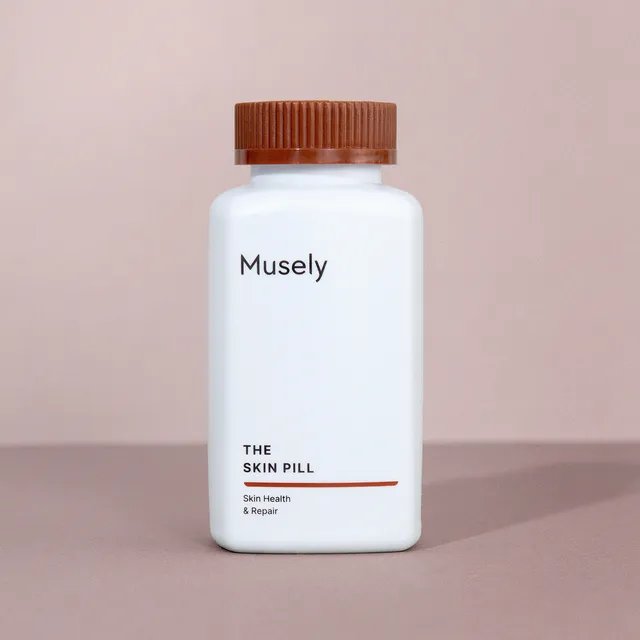
For people looking for a doctor-guided oral treatment, Musely’s The Skin Pill is designed to support skin health from within with a formulation that includes glutathione, methylene blue, and polypodium leucotomos.
What Is Glutathione?
Glutathione is an antioxidant made naturally in the body. It is composed of three amino acids: glutamine, glycine, and cysteine. Because it is built from more than one amino acid, glutathione plays an important role in cellular defense, detoxification pathways, and oxidative stress management.
In skincare, glutathione is commonly discussed because oxidative stress can contribute to visible dullness, uneven tone, hyperpigmented spots, and signs of skin aging. Since skin pigmentation is complex, glutathione should not be treated like a quick cosmetic shortcut. It is better understood as one part of a broader skin-health strategy.
That means glutathione for skin is not just about “whitening.” It is more relevant to concerns like:
Dull-looking skin
Uneven skin tone
Dark spots
Hyperpigmented spots
Long-term environmental stress
Visible skin aging
Overall skin brightness and clarity
What Does Glutathione Do for the Skin?
Glutathione helps support antioxidant defense in the body. For the skin specifically, oral glutathione may help support a brighter-looking, more even complexion by helping the body manage oxidative stress and support healthier-looking skin over time.
Skin color is influenced by melanin, the pigment that gives skin its natural shade. Melanin production is part of the body’s normal protective response to UV exposure. When melanin production becomes uneven or overactive in certain areas, it can contribute to dark spots, UV spot formation, uneven tone, and other visible pigmentation concerns.
This is why glutathione is often discussed as a skin lightening agent or skin-whitening agent. However, those terms need context. A skin-whitening agent or skin lightening treatment should not be framed as a way to erase natural skin color. In responsible skincare, the goal is usually to support a brighter-looking, more even complexion—not to change who you are or promote unrealistic color-based beauty standards.
A better framing is this:
Glutathione may help support the appearance of brighter, more even-looking skin, but it should not be expected to erase pigmentation, replace sunscreen, or permanently change your natural skin color.
How Glutathione May Affect Melanin Production
To understand glutathione for skin, it helps to understand melanin production. Melanin production is controlled by several biological pathways, including tyrosinase activity. Tyrosinase activity is important because tyrosinase is an enzyme involved in the formation of melanin.
Some research suggests glutathione may influence skin pigmentation by affecting tyrosinase activity, tyrosinase inhibition, oxidative stress, and the balance of different types of melanin. This is why glutathione has been studied as a skin lightening agent and skin-whitening agent.
However, research does not mean every glutathione product works the same way. Oral glutathione, topical formulations, topical oxidized glutathione, liposomal glutathione, intravenous glutathione, and other glutathione preparations have different use cases, risk profiles, and levels of evidence.
The most useful question is not simply, “Does glutathione whiten skin?” A better question is:
How can glutathione treatments support more even-looking skin while staying safe, realistic, and medically responsible?
Glutathione Benefits for Skin
The main glutathione benefits for skin are tied to antioxidant support, skin tone, skin brightness, and visible signs of aging.
1. Supports antioxidant defense
Oxidative stress can affect how skin looks and functions. Over time, environmental stressors like UV exposure and pollution may contribute to dullness, uneven tone, dark spots, and premature visible aging.
Because glutathione is an antioxidant, it may help support the body’s natural defense against oxidative stress. This is one reason oral glutathione is often included in skin health routines.
2. Helps support brighter-looking skin
When skin looks tired, flat, or dull, the issue is not always surface-level. Skin brightness can be influenced by hydration, cell turnover, sun exposure, pigmentation, inflammation, oxidative stress, and overall skin health.
Glutathione may help support a brighter-looking complexion from within. This does not mean instant skin lightening. It means skin may gradually appear more vibrant, even, and healthy-looking with consistent use.
3. May support more even-looking tone
Uneven tone is one of the biggest reasons people search for glutathione supplements for skin. Glutathione is often discussed in relation to skin lightening, skin pigmentation, and complexion support, but expectations should stay realistic.
For people dealing with uneven-looking skin, oral glutathione may be most useful as part of a complete routine that includes daily sunscreen, targeted topical treatments when needed, and doctor-guided care.
4. May support skin elasticity and visible aging concerns
Some people are interested in glutathione because of its connection to oxidative stress and cellular health. While glutathione is most often discussed in relation to skin lightening and skin brightness, skin aging concerns like dullness, texture, and skin elasticity may also be relevant.
Musely’s Skin Pill pairs glutathione with methylene blue and polypodium leucotomos to support skin tone, cellular repair, and long-term skin health from within.
What the Research Says About Glutathione and Skin Lightening
A literature search on glutathione for skin shows that research has looked at several forms of glutathione, including oral glutathione, topical formulations, topical oxidized glutathione, and intravenous glutathione.
The evidence is mixed but worth understanding.
Some randomized controlled trials and clinical trial data have measured changes in melanin index after oral glutathione use. Melanin index is a research measurement used to assess changes in pigmentation. In some studies, oral glutathione was associated with reductions in melanin index compared with placebo.
Other studies have explored topical formulations, including topical oxidized glutathione. Some topical formulations have been studied for skin lightening, skin-condition improvement, pore size, and overall skin texture. However, topical formulations vary widely by ingredient form, concentration, delivery system, and product quality.
Research has also looked at systemic glutathione. Systemic glutathione usually refers to glutathione used internally, such as oral glutathione, liposomal glutathione, or intravenous glutathione. Systemic glutathione is different from topical formulations because it is intended to work from within the body rather than only on the skin surface.
The important takeaway: glutathione has been studied as a skin lightening agent and skin-whitening agent, but that does not mean every glutathione treatment is equally effective, safe, or appropriate. The safest interpretation is that glutathione may support skin brightness and more even-looking tone, but results vary and medical guidance matters.
Oral Glutathione vs. Topical Formulations vs. Intravenous Glutathione
There are several forms of glutathione marketed for skin, including oral glutathione, topical formulations, glutathione creams, glutathione serums, glutathione whitening pills, and intravenous glutathione. These are not interchangeable.
Oral glutathione
Oral glutathione is commonly found in pills, capsules, and tablets. People often search for the best glutathione pills for skin whitening, Glutathione Whitening Pills, or the best glutathione supplement for skin whitening. But the better question is: what type of oral skin treatment is appropriately formulated, transparent, and guided by a medical professional?
Generic glutathione supplements are not the same as doctor-guided glutathione treatments. If you are considering oral glutathione for skin tone, dullness, or pigmentation-related concerns, look for an option that is clear about ingredients, dosage, expectations, and safety.
Musely’s The Skin Pill includes glutathione as part of a broader oral formulation designed to support skin tone and skin health from within.
Topical formulations
Topical formulations include glutathione cream, glutathione serum, topical oxidized glutathione, and other topical glutathione preparations. These are applied directly to the skin surface.
Topical formulations may appeal to people looking for skin lightening, skin brightness, or targeted tone support. Some topical formulations are also marketed alongside ingredients like Vitamin C, kojic acid, and other brightening ingredients. Vitamin C is commonly used in skincare routines for antioxidant support, while kojic acid is often used in products focused on dark spots and pigmentation.
However, topical formulations and oral glutathione work differently. Topical formulations act primarily at or near the skin surface, while oral glutathione is intended to provide internal antioxidant support. One is not automatically better for every person. The right option depends on your skin concerns, medical history, current skincare routine, and goals.
Intravenous glutathione
Intravenous glutathione, intravenous administration, intravenous drip treatments, and IV therapy are sometimes promoted for cosmetic skin lightening. This is where safety concerns become much more serious.
Intravenous glutathione should not be treated as a casual cosmetic shortcut. IV therapy and intravenous drip services promoted by health and beauty salons, wellness spa locations, or non-medical providers may carry risks, especially if the product is not properly sourced, compounded, administered, or monitored.
This is why regulatory warnings matter. The phrase “UNSAFE USE OF GLUTATHIONE” is often connected to warnings about injectable or intravenous glutathione used for skin lightening. Serious adverse reactions, including Stevens Johnson Syndrome, have been referenced in regulatory warnings outside the U.S., and the U.S. Food and Drug Administration has also raised concerns about compounded sterile injectable glutathione.
For most people interested in brighter-looking skin, oral glutathione or doctor-guided oral skin treatments are more relevant than intravenous glutathione.
Is Glutathione a Skin-Whitening Agent?
Glutathione is often described online as a skin-whitening agent or skin lightening agent. From an SEO perspective, those phrases are common because people search for skin lightening results. From a medical and brand perspective, they need to be handled carefully.
A skin-whitening agent is generally understood as something intended to reduce visible pigmentation or produce a lighter-looking complexion. But that language can easily become misleading if it implies permanent skin color change or guaranteed results.
Musely’s framing should be more precise:
Glutathione may support skin brightness and more even-looking tone. It should not be marketed as a guaranteed skin-whitening agent, a replacement for sunscreen, or a shortcut for dramatic skin lightening.
This distinction matters because people searching for skin lightening may have very different goals. Some want to fade dark spots. Some want help with hyperpigmented spots. Some are looking for a Hyperpigmentation Treatment. Some are comparing oral glutathione with topical formulations. Others may be considering intravenous glutathione, which raises more serious safety concerns.
A responsible article should meet the search intent while steering readers toward safe, evidence-informed skin care.
How Long Does Glutathione Take to Work for Skin?
Glutathione is not an overnight skin fix. If it supports visible changes, those changes are usually gradual.
For many people, skin may begin to look less dull, more even, or more vibrant over time. However, results vary depending on factors like baseline skin condition, sun exposure, consistency, age, pigmentation concerns, overall health, and the rest of your skincare routine.
Clinical trial research often looks at changes in melanin index over a defined period, but real-world results can vary. That is why before-and-after expectations should be conservative.
Musely notes that most patients using The Skin Pill begin to notice visible improvements in 4–8 weeks with consistent daily use, with continued benefits over time.
The key word is consistent. Oral glutathione is not the same as applying a quick cosmetic brightener. It works best when used regularly and paired with daily SPF.
Is Glutathione Safe for Skin?
Glutathione is naturally found in the body, but that does not mean every glutathione product or treatment method is automatically safe for every person.
Potential side effects and safety considerations depend on the form used, the dose, the quality of the product, and your personal medical history. If you are pregnant, breastfeeding, taking medications, or managing a medical condition, speak with a healthcare provider before starting any new oral treatment or supplement.
You should be especially cautious with:
Unregulated skin lightening products
Injectable or intravenous glutathione promoted for cosmetic skin lightening
Glutathione Whitening Pills making dramatic claims
Products that promise permanent skin color change
Products sold without clear ingredient transparency
Products marketed like an Acne Scar Remover or universal Hyperpigmentation Treatment without medical review
IV therapy from health and beauty salons or wellness spa settings
Any treatment that claims to replace sunscreen
Musely’s Skin Pill is doctor-guided, and prescription is not guaranteed. A doctor evaluates your medical history and skin condition to determine whether the treatment is appropriate for you.
Do You Still Need Sunscreen While Taking Glutathione?
Yes. Glutathione does not replace sunscreen.
Daily SPF is still essential for protecting skin from UV damage, dark spots, uneven tone, UV spot formation, and premature visible aging. Even if you use oral glutathione or another oral skin treatment, sunscreen remains one of the most important steps in any routine focused on brighter-looking, healthier-looking skin.
Think of glutathione as internal support, not external protection. For best results, pair oral glutathione with daily sun protection and a consistent skincare routine.
What Makes Musely’s The Skin Pill Different?
Musely’s The Skin Pill is not positioned as a generic glutathione supplement. It is a daily oral treatment designed to support skin health from within.
The Skin Pill is formulated to designed to help support skin health from within. Its key ingredients include:
Glutathione
Methylene blue
Polypodium leucotomos
Each ingredient plays a different role in the formula. Glutathione supports overall tone and helps reduce the appearance of dullness. Methylene blue may potentially support skin hydration, collagen and elastin production, and the cellular aging process. Polypodium leucotomos supports the skin against UV-induced damage and sun-related inflammation.
The Skin Pill may be especially relevant for people concerned with:
Dull skin
Long-term sun damage
Uneven-looking tone
Dark spots
Hyperpigmented spots
Skin that looks tired or less vibrant over time
Visible skin aging
Because The Skin Pill is doctor-guided, it is a stronger fit for people who want more structure than a random over-the-counter supplement. It also gives users a clear treatment path instead of leaving them to compare dozens of generic glutathione pills, Amazon Prime supplement listings, topical formulations, and injection claims online.
What to Look for Before Choosing a Glutathione Product
If you are comparing glutathione treatments, do not choose based only on the boldest skin lightening claim.
Look for:
Clear ingredient information
Realistic claims about skin brightness and skin tone
Guidance from a qualified medical provider
A formulation that fits your goals
Clear safety information
No promises of permanent skin color change
No claims that glutathione replaces sunscreen
No pressure to use intravenous glutathione for cosmetic skin lightening
This is especially important when comparing products on marketplaces like Amazon Prime, where glutathione supplements, Glutathione Whitening Pills, Vitamin C combinations, kojic acid products, and other skin lightening options may appear side by side. A marketplace listing is not the same as doctor-guided care.
How to Read Glutathione Research Without Overinterpreting It
Not every study result translates directly into a consumer product claim. When reviewing glutathione for skin, look at how the literature search was performed, whether the study was a randomized controlled trial, whether it measured melanin index, and whether it evaluated oral glutathione, topical formulations, or intravenous glutathione.
Sources like the Journal of the American Academy of Dermatology, Clinical Key, PubMed, and ClinicalTrials.gov may include research summaries, clinical trial references, or related dermatology information. On ClinicalTrials.gov, terms like Study record managers, Data Element Definitions, and results information refer to how clinical trial records are organized and reported. Those details can help readers understand whether a clinical trial has posted complete results information or is only listed as a study record.
For consumers, the most important point is simple: one clinical trial does not prove that every glutathione preparation will deliver the same skin lightening result. Research context matters. Dose, formulation, population, duration, measurement method, and safety monitoring all matter.
Who Is Glutathione for Skin Best Suited For?
Glutathione for skin may be worth considering if you want to support brighter-looking, more even-looking skin from within.
It may be a fit for people who are concerned about:
Dullness
Uneven tone
Dark spots
Hyperpigmented spots
Skin that looks tired or flat
Long-term environmental exposure
Visible signs of skin aging
A routine that only addresses the skin surface
It is not the right fit if you are looking for a guaranteed way to whiten your skin, permanently change your natural skin color, skip sunscreen, or get instant before-and-after results.
For people who want a more guided option, Musely’s The Skin Pill offers an oral approach designed to support tone, dullness, and long-term skin health from within.
FAQs About Glutathione for Skin
What does glutathione do for the skin?
Glutathione helps support antioxidant defense in the body. For skin, oral glutathione may help support brighter-looking, more even tone and reduce the appearance of dullness over time.
Is glutathione good for skin?
Glutathione may be beneficial for people who want to support skin brightness, skin tone, and overall skin health from within. It works best as part of a consistent routine that includes sunscreen and doctor-guided care when appropriate.
Does glutathione whiten skin?
People often search for glutathione for skin whitening or glutathione for skin lightening, but it is more accurate to say that glutathione may help support brighter-looking, more even-looking skin. It should not be expected to permanently change your natural skin color or deliver guaranteed whitening results.
Is glutathione a skin-whitening agent?
Glutathione is sometimes described as a skin-whitening agent or skin lightening agent because of its relationship to melanin production, tyrosinase activity, and skin pigmentation research. However, responsible skincare should frame glutathione as support for brighter-looking, more even tone—not as a guaranteed whitening treatment.
How long does oral glutathione take to show effects on skin?
Results vary. Musely notes that most patients using The Skin Pill begin to notice visible improvements in 4–8 weeks with consistent daily use, with continued benefits over time.
What is the best glutathione for skin?
The best glutathione option depends on your goals, safety needs, and medical history. Look for transparent ingredients, realistic claims, consistent use instructions, and medical guidance. Musely’s The Skin Pill is a doctor-guided oral treatment that includes glutathione as part of a broader skin health formula.
Are topical formulations with glutathione good for skin?
Topical formulations with glutathione may appeal to people looking for targeted skin lightening, skin brightness, or tone support. However, topical formulations work differently from oral glutathione. If you want internal skin support, an oral treatment like The Skin Pill may be a better fit.
Are glutathione injections safe for skin lightening?
Intravenous glutathione and glutathione injections should be approached with caution and should not be used as an unregulated cosmetic shortcut. If you are concerned about dullness, dark spots, uneven tone, or pigmentation, speak with a qualified healthcare provider about safer treatment options.
Do I still need sunscreen if I take glutathione?
Yes. Glutathione does not replace sunscreen. Daily SPF is still essential for protecting against UV damage, dark spots, uneven tone, UV spot formation, and premature visible aging.
The Bottom Line
Glutathione for skin is best understood as antioxidant support for brighter-looking, more even-looking skin—not as a guaranteed whitening treatment or instant skin lightening fix.
The research around glutathione includes oral glutathione, topical formulations, systemic glutathione, clinical trial data, melanin index measurements, and safety concerns around intravenous glutathione. That does not mean every product or treatment method is equally safe or effective.
If your skin looks dull, uneven, or visibly affected by long-term environmental exposure, glutathione may be worth considering as part of a broader skin health routine. The safest approach is to focus on consistency, sun protection, realistic expectations, and doctor-guided treatment when appropriate.
Musely’s The Skin Pill offers an oral, doctor-guided option designed to support skin tone, dullness, cellular repair, and long-term skin health from within.
Products In This Tip
More tips like this

Anti-Aging
Melanie Face-Rx Testimonial

Around The Eyes
This Is The Right Time To Apply Eye Cream

Sun & UV Safety
Are These Chemicals Lurking In Your Sunscreen?

Body Care
How To Get Rid Of Dark Spots On Your Elbows And Knees
Skin & Body
Everything You Need to Know About The Peptide Serum

Skin & Body
Musely’s Guide to Exosomes: Benefits, Use & Best Serum
Other
The Top 5 Skincare Ingredients Dermatologists Use On Themselves

Other